Types of Tea
Decaffeinated Tea: How It's Made and Whether It Tastes Different
Decaffeinated tea explained: the CO2, ethyl acetate, and water processes, the honest flavor trade-off, and how decaf differs from caffeine-free herbal tea.
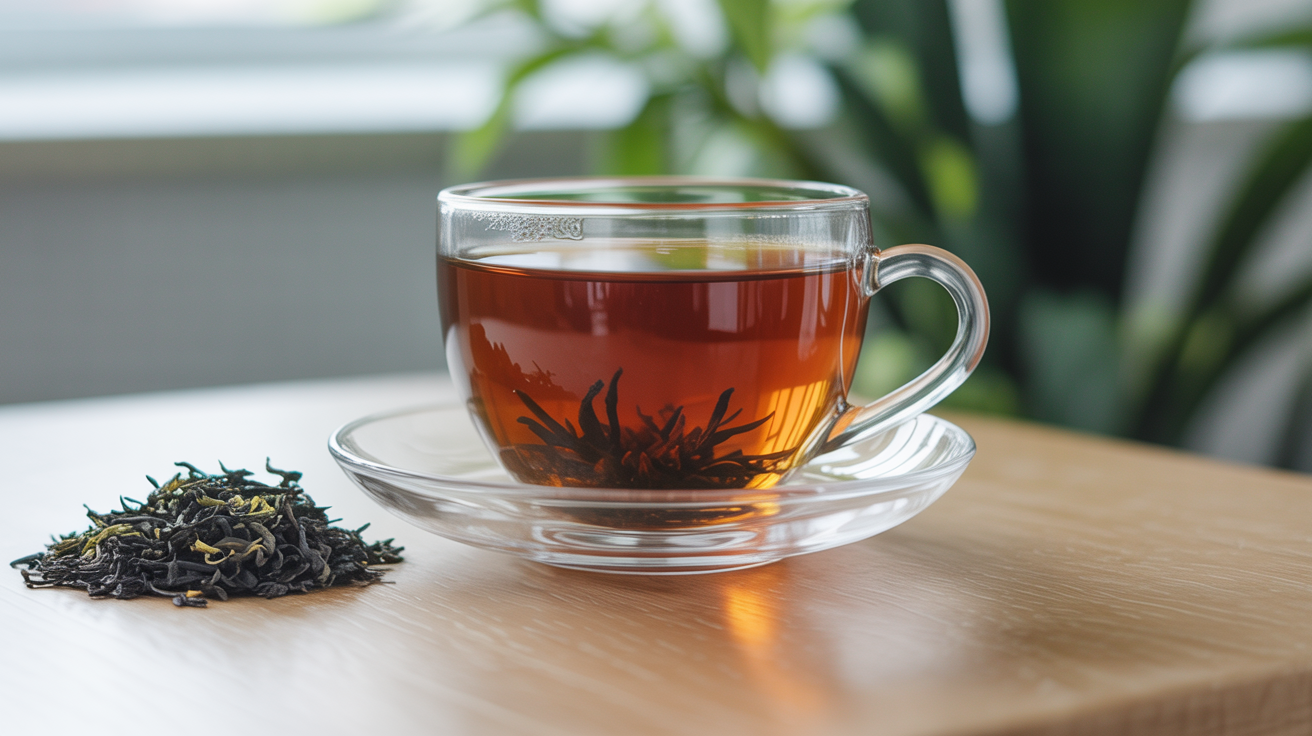
If you love an evening cup but don't love lying awake until midnight, you've probably reached for a box labeled "decaf" and wondered what actually happened to the tea inside it. Decaffeinated tea explained simply: it's real tea, from the real Camellia sinensis plant, that's been through an industrial process to strip out most of its caffeine before it ever reaches your cupboard. That's a different thing from an herbal blend that never had caffeine to begin with, and mixing the two up leads to some confused shopping trips. Let's go through how the process actually works, what it does to flavor, and how to brew the result so it still tastes like something worth drinking.
Decaf Is Not the Same as Caffeine-Free
This is the mix-up that trips up the most people, so it's worth settling first. "Decaffeinated" means a tea started out with caffeine and had most of it removed. "Caffeine-free" means the plant never had caffeine in it at all. Chamomile, peppermint, hibiscus, and rooibos fall into the second group. They're not tea in the botanical sense, they're infusions of other plants, and no decaffeination process was ever applied because there was nothing to take out.
True decaf, on the other hand, is green, black, oolong, white, or pu-erh tea that went through a chemical or physical process to pull most of the caffeine out of the leaf. The word "most" matters: no commercial decaffeination method removes caffeine completely. A cup of decaf still carries a small amount, a fraction of what the same tea would have in its regular form, but "trace amounts" and "zero" are not the same claim, worth knowing if you're avoiding caffeine strictly rather than just cutting back. For a full breakdown of how much caffeine ordinary teas carry to begin with, see our guide to how much caffeine is in each type of tea.
How Tea Is Actually Decaffeinated
There are three methods used commercially, and they differ quite a bit in cost, scale, and what they leave behind in the leaf.
The CO2 process. This is the method most large tea producers favor today, especially for tea destined for grocery shelves. Pressurized carbon dioxide is pushed through the leaves under conditions that make it behave like a liquid solvent, binding to caffeine molecules and carrying them out. The pressure is then released and the caffeine is separated out for other uses, often sold on to soft drink or pharmaceutical makers. CO2 is fairly selective for caffeine and tends to leave more of the tea's flavor and aroma compounds intact, though it's also the most expensive method to run at scale, which is part of why bigger producers use it more often.
The ethyl acetate process. Here, the leaves are treated with ethyl acetate, a solvent that also occurs naturally in small amounts in some fruits, which binds to caffeine and is then rinsed away with it. Because this method is less selective than CO2, it tends to strip more of the leaf's other soluble compounds along with the caffeine, which is one reason teas decaffeinated this way often taste flatter. Some producers market it as "naturally decaffeinated," pointing to the solvent's natural origin, though the version used industrially is typically synthesized rather than extracted from fruit.
The water process. Sometimes called the Swiss Water process (a specific proprietary version of it), this method uses hot water and activated charcoal filtering instead of a chemical solvent. Leaves are soaked so caffeine and flavor compounds dissolve into the water, that water is filtered through carbon to pull out the caffeine, and the leaves are then reintroduced to the flavor-saturated, caffeine-stripped water so they reabsorb what makes them taste like tea. It's popular with producers who want to avoid chemical solvents entirely, though it's slower and generally less efficient at getting caffeine down to very low levels compared to CO2.
None of these processes get every last caffeine molecule out, and none are things you can meaningfully do at home. The old advice to steep for 30 seconds, discard the water, then steep again removes only a modest portion of the caffeine while taking a real bite out of the flavor, so it's a weak substitute for genuine decaffeination if caffeine avoidance actually matters to you.
Does Decaf Tea Taste Different?
Honestly, yes, and it's worth going in with the right expectations rather than being disappointed later. Caffeine itself isn't a major flavor contributor (it reads as mildly bitter on its own), so removing it isn't what changes the cup. What changes the cup is the process used to get there. Solvent extraction and even the water process pull out or disturb some of the aromatic oils and polyphenols that give tea its body and complexity, and that loss is more noticeable in some teas than others.
Black tea tends to hold up best. Its bolder, more oxidized flavor compounds are somewhat more robust through processing, so a decent decaf black tea can taste reasonably close to its caffeinated counterpart, if a touch flatter. Our full guide to black tea's regions and brewing styles is a good reference if you're deciding which base tea to start from. Green tea is the tougher case. Its flavor depends on delicate, volatile aromatic compounds, exactly what solvent and water processing tend to knock down, so a decaffeinated green tea often tastes noticeably thinner and grassier than the regular version. If you're new to green tea generally, our rundown on green tea types and how to brew each one explains what you'd be comparing against.
Oolong falls in between, and white tea, being so delicate to start with, tends to lose the most in relative terms. None of this means decaf tea is bad. It means the honest comparison is "decaf version of this tea versus the regular version of this tea," not some abstract standard, and a well-made decaf can still be a genuinely enjoyable cup on its own terms.
Which Teas Decaffeinate Best, and What to Look For
If you're shopping for the best decaf loose leaf tea you can find, a few things are worth checking before you buy:
- Look for the method on the label. Reputable sellers often note whether a tea was CO2-processed or water-processed. If the packaging says nothing, it's frequently the ethyl acetate method, since that's cheaper and less often advertised.
- Favor black and oolong over green and white if flavor preservation is your priority. They simply tolerate the process better.
- Buy from a seller who moves volume. Decaf tea that's sat on a shelf a long time tastes more muted than a fresh batch, since it started with less flavor intensity to spare.
- Consider a half-caff blend. Some shops sell tea cut with a portion of decaf leaf mixed into regular leaf, lowering total caffeine per cup without any processing at all.
Brewing Decaf Tea
The good news is simple: decaf tea brews exactly like its regular counterpart. Use the same leaf-to-water ratio, water temperature, and steep time you'd use for that tea's caffeinated version. A decaf green tea still wants water around 175 to 180°F and a short steep of one and a half to two minutes; a decaf black tea still wants closer to boiling and three to five minutes. Decaffeination doesn't change the leaf's brewing chemistry, only its flavor intensity, and since that intensity often starts a notch lower, it's fair to lean toward the higher end of the recommended leaf amount to compensate.
One adjustment that does help: give decaf leaves slightly longer to open up before you judge the color and strength of the cup, since a somewhat depleted leaf can look weaker in the cup than it actually tastes.
Frequently Asked Questions
Is decaf tea completely caffeine-free?
No. Commercial decaffeination removes most of the caffeine in a tea leaf, not all of it. If you need to avoid caffeine entirely, for pregnancy, a medical condition, or medication interactions, an herbal infusion like rooibos, chamomile, or peppermint is the safer choice since those plants never contained caffeine to start with. Check with a clinician if caffeine avoidance matters medically, since "decaf" and "caffeine-free" are different guarantees.
Which decaffeination method is best?
There's no single "best" for every situation. CO2 processing generally preserves the most flavor and is common with larger producers, the water process avoids chemical solvents entirely but is less efficient, and ethyl acetate processing is the cheapest but usually costs the most in taste. If flavor matters most to you, look for CO2 or water-processed teas specifically.
Why does my decaf tea taste weak or flat?
Some flavor loss is unavoidable with any decaffeination method, but weak decaf is also often a freshness problem. Decaffeinated leaf tends to lose what flavor it has left more quickly than regular leaf, so buy smaller amounts more often, store it away from light and air, and use slightly more leaf per cup than you would with the caffeinated version.
Can I decaffeinate tea myself at home?
Not in any meaningful way. A quick pre-rinse, steeping and discarding the first short infusion before the "real" steep, removes only a modest fraction of the caffeine while also washing away a good portion of the flavor. It's not a substitute for commercial decaffeination if you actually need low caffeine content, though it's a reasonable habit if you just want to take the edge off a strong tea.
Does decaf tea still have health benefits?
Tea's antioxidant compounds, mainly polyphenols, are largely separate from its caffeine content, and most decaffeination methods leave a good share of them intact, more so with CO2 processing than with harsher solvent methods. That said, this is general information rather than medical guidance, and any specific health claim about tea should be weighed against your own circumstances and, where relevant, a clinician's advice.