Matcha & Whisked
Is Matcha Healthier Than Green Tea? What the Evidence Says
Matcha and green tea come from the same plant, but you consume them very differently. Here's what that means for caffeine, antioxidants, and daily use.
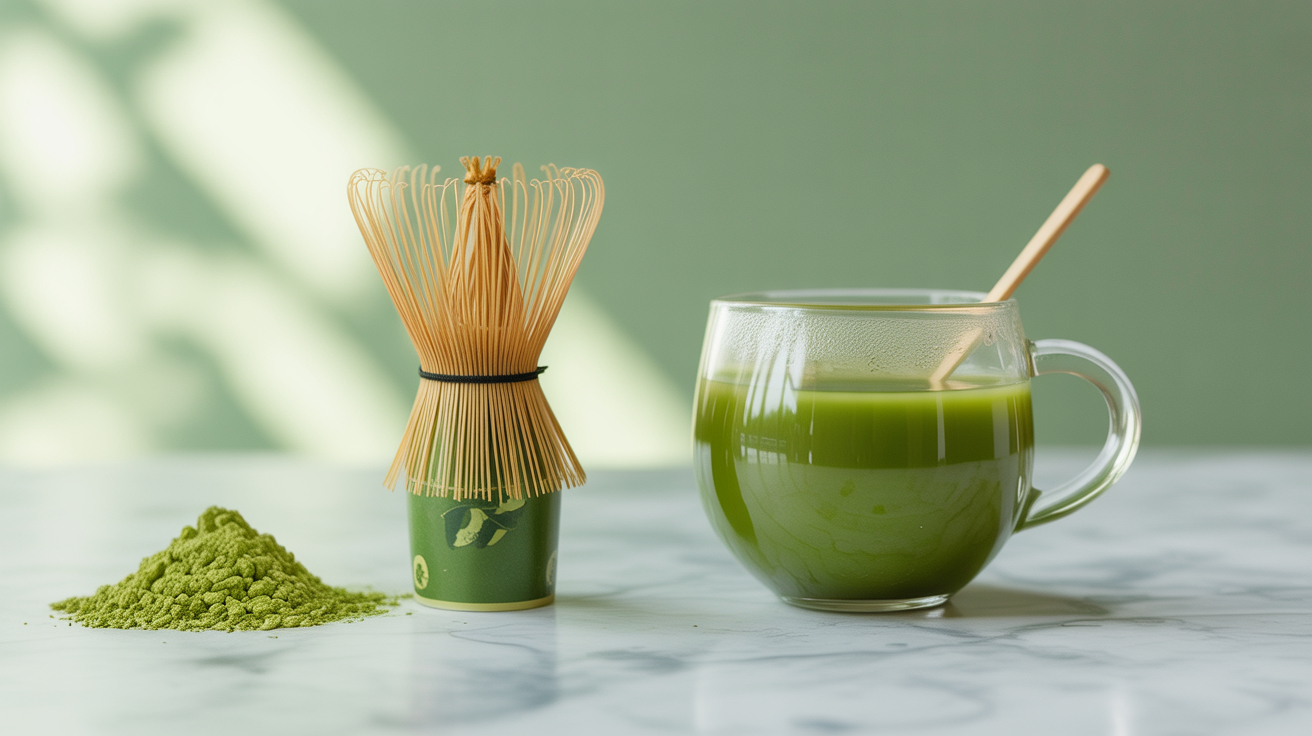
Both matcha and green tea come from Camellia sinensis, but the way you consume each one is genuinely different, and that difference is what drives most of the comparison when it comes to caffeine, antioxidants, and how each drink sits in your routine.
Same Plant, Very Different Form
Green tea and matcha share the same botanical species. What sets them apart is how the leaf is processed and how it ends up in your body.
With regular green tea, you steep the dried leaf in hot water, then discard it. You drink an infusion: whatever compounds dissolved out of the leaf into the water. Some material stays behind in the spent leaf.
Matcha starts with shade-grown leaves. Farmers cover the plants for the final weeks before harvest, a technique that increases chlorophyll and certain amino acids in the leaf. After harvest, the leaves are steamed, dried, and stone-ground into a very fine powder. When you prepare matcha, you whisk that powder directly into water. You are not brewing an infusion; you are suspending the whole ground leaf and drinking it.
That distinction, infusion versus whole-leaf suspension, is what drives most of the nutritional differences between the two.
Caffeine and L-Theanine
Both green tea and matcha contain caffeine and L-theanine, an amino acid that appears to interact with caffeine and influence how alert and focused you feel. The amounts differ between the two drinks.
Caffeine content
Caffeine in any tea depends on leaf grade, water temperature, steep time, and how much leaf you use. As a rough general range:
- A standard cup of brewed green tea: somewhere around 25 to 50 mg caffeine
- A traditional matcha serving (about 2 g powder whisked into water): often in the range of 60 to 80 mg caffeine
Those figures come from general tea literature and vary considerably in practice. Because you consume the whole leaf with matcha, you tend to get more caffeine than from an equivalent weight of steeped green tea.
L-theanine content
Shade-growing increases L-theanine production in the leaf. Since matcha uses shade-grown leaves and you consume the whole leaf, it is generally considered a richer source of L-theanine than most brewed green teas. Some people describe the alertness from matcha as steadier than a sharp caffeine spike, though individual responses vary widely. These are general observations, not medical claims.
If caffeine sensitivity is a concern for you, speak with a clinician before adjusting your intake based on tea.
Antioxidants: What the Evidence Actually Shows
Green tea has been studied extensively for its polyphenol content, particularly a catechin called EGCG (epigallocatechin gallate). Matcha contains EGCG as well, and because you consume the whole leaf rather than an infusion, matcha is often described as delivering more of these compounds per serving.
A few things worth keeping in mind when reading health claims about matcha antioxidants:
- Studies vary widely in methodology, serving size, and what exactly was measured
- Most research on tea and health has been observational or conducted in lab settings, not large clinical trials in humans
- "More antioxidants" does not automatically translate into a measurable health benefit for any given person
- Processing, storage conditions, and water temperature can all degrade catechins before they reach your cup
The honest summary is this: matcha is likely a more concentrated source of the compounds that make green tea interesting to researchers. Whether that delivers a meaningful difference in daily health is something the current evidence does not definitively settle. Both drinks can fit into a sensible diet. Neither is a treatment for anything.
This article is general information, not medical advice.
Practical Differences: Taste, Cost, and Preparation
Beyond the nutritional angle, the two drinks are quite different to live with.
Taste
Brewed green tea ranges from grassy and light to vegetal and slightly astringent, depending on the variety. Sencha, dragonwell, and gunpowder each have their own character. A well-made matcha is creamy, thick, and umami-forward with a slightly sweet finish. A lower-grade or old matcha can taste bitter or chalky if it was stored poorly or the water was too hot.
Preparation effort
Brewing loose-leaf green tea is low-effort: heat water to around 70 to 80°C (160 to 175°F), steep for one to two minutes, and strain. Matcha takes a bit more attention: sifting the powder, heating water to a similar temperature (not boiling), and whisking to a smooth froth. See how to whisk matcha without lumps for a practical walkthrough on technique.
Cost
Good loose-leaf green tea is available at a wide range of price points. Quality matcha, particularly ceremonial grade, costs noticeably more per serving. Culinary-grade matcha is cheaper but is better suited to lattes and baking than to a straight whisked bowl. If you're weighing the options, ceremonial vs culinary matcha: which one to buy explains the grades in plain terms.
Versatility
Green tea is easy to scale up, cold-brew, and drink in volume throughout the day. Matcha can be prepared as a thin whisked bowl, a thicker preparation, or blended into a latte. Both have their place depending on what you're looking for at a given moment.
Side-by-Side Summary
| Green Tea (brewed) | Matcha | |
|---|---|---|
| How consumed | Infusion; leaf discarded | Whole leaf suspended in water |
| Typical caffeine per serving | Lower to moderate | Moderate to higher |
| L-theanine | Moderate | Generally higher (shade-grown, whole leaf) |
| Antioxidant delivery | Via water solubility | Whole-leaf, more complete |
| Flavor | Grassy, light, sometimes astringent | Creamy, umami, earthy |
| Prep effort | Low | Moderate (sifting, whisking) |
| Cost per serving | Generally lower | Generally higher |
Neither column is a clear winner. They suit different preferences and routines.
Which One Is Right for You?
If you want a low-effort daily drink with mild caffeine and a light flavor, good loose-leaf green tea is an easy habit to build. If you want a more concentrated, ritual-friendly cup and you enjoy the creamy texture, matcha is worth learning.
For anyone new to preparing it, how to make matcha: a step-by-step guide covers equipment, ratios, and technique from the beginning.
Most regular tea drinkers find room for both, on different days or occasions. They are not in competition.
Frequently Asked Questions
Is matcha better for you than green tea?
Matcha delivers more of the whole leaf's compounds because you consume the ground powder rather than an infusion. For that reason it is often considered a more concentrated source of antioxidants and L-theanine. Whether that makes it meaningfully better for your health depends on many individual factors. Both are reasonable choices. This is general information, not medical advice.
Does matcha have more caffeine than green tea?
Generally yes. A typical matcha serving contains more caffeine than a typical brewed green tea cup, largely because you are consuming the whole leaf. The exact amount varies with serving size, powder quality, and preparation method. If you are sensitive to caffeine, start with a smaller amount and see how you respond.
Can I drink both green tea and matcha regularly?
Yes. Many people drink both. They complement each other well since they have different flavors and preparation styles. Just keep total caffeine intake in mind if you are having multiple cups in a day, particularly in the afternoon or evening.
Does water temperature affect the antioxidants in tea?
Yes. Very high water temperatures can degrade catechins and other heat-sensitive compounds in both green tea and matcha. Around 70 to 80°C is the commonly recommended range for both. Boiling water is not ideal for either, and it tends to make both drinks taste more bitter as well.
Which is better for people who find green tea bitter?
Good-quality matcha prepared with water at the right temperature tends to be smoother and less bitter than many people expect. If you have had bitter matcha before, it was likely either low-grade powder, water that was too hot, or both. The same applies to brewed green tea: cooler water and shorter steep times fix most bitterness issues in either drink.