Teaware & Ritual
How to Season and Care for a Yixing Teapot
Learn how to season a Yixing teapot properly and keep it in top condition with simple daily care that builds patina over years.
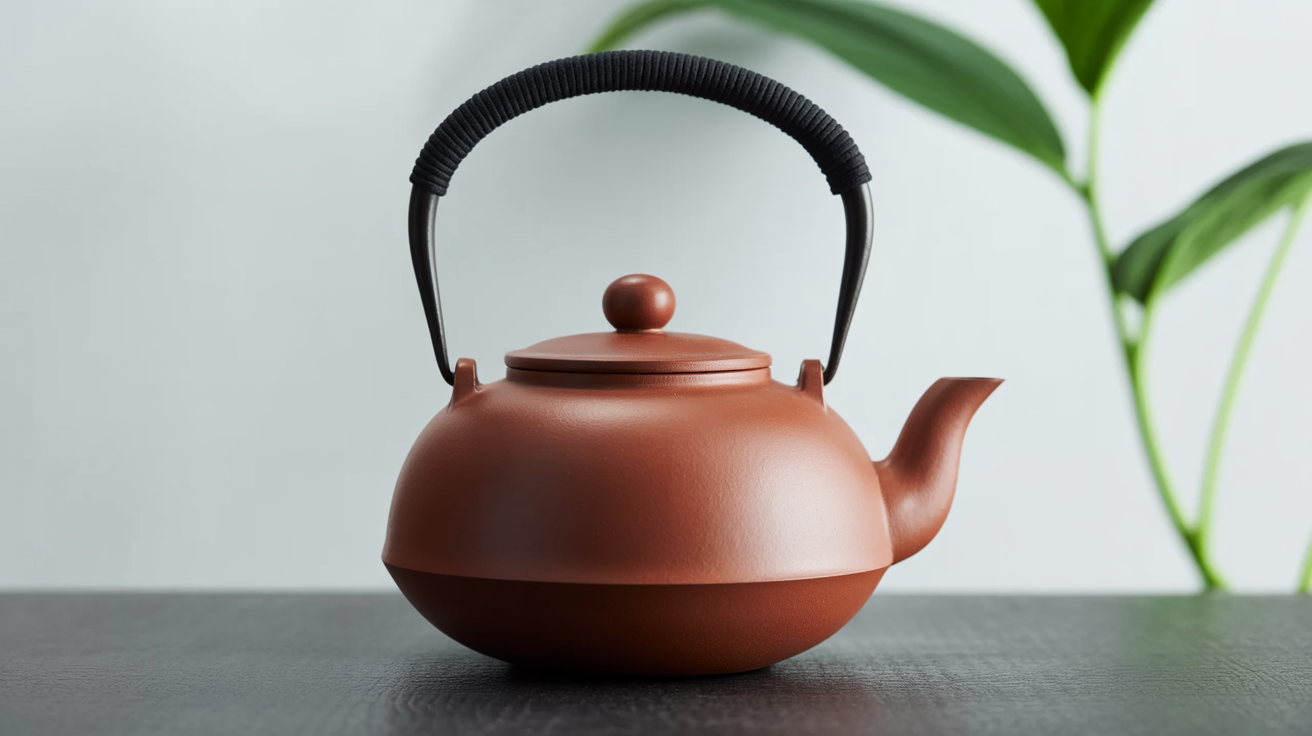
A Yixing teapot is made from zisha clay, a dense, unglazed material mined in Jiangsu province, China. Unlike glazed ceramic or glass, zisha is porous at a microscopic level. Over hundreds of brews, oils and tannins from the tea work into the clay walls, slowly changing how the pot interacts with each new steeping. The result is a pot that becomes, in a real sense, tuned to one tea.
That porosity is also why Yixing teapots require a bit of deliberate care at the start and consistent habits after. Neglect them and you get soap residue locked inside clay walls, or competing flavors from switching between tea types. Treat them well and they get better every year.
What Is a Yixing Teapot and Why Does Porosity Matter
Zisha clay comes in several varieties: zini (purple), hongni (red), and duanni (greenish-beige) are the most common. All are fired at high temperatures, somewhere between 1100 and 1200°C, which vitrifies the clay enough to hold water but leaves fine pores intact. A scanning electron microscope image of zisha clay shows a structure more like compressed sand than solid ceramic.
This structure means the pot breathes slightly. Tea vapors, oils, and aromatic compounds from each brew leave a microscopic residue. Over time that residue builds into what collectors call "bao jiang," or patina, a subtle sheen on the surface and a flavor memory baked into the walls.
The practical implication: once you commit a Yixing pot to oolong, brewing green tea in it will muddy both teas. The residue from one tea type will bleed into the other. Dedicated pots are not a ceremony for ceremony's sake; they protect the flavor integrity of whatever tea you love most in that pot.
For comparison, a gaiwan vs teapot decision often comes down to exactly this: gaiwans are unbiased because they're glazed and rinsed clean each time, while a Yixing pot accumulates character.
Choosing a Tea Type Before You Begin
Before you season the pot, decide what it will brew for its life. Common dedications:
- Aged or ripe pu-erh: the most popular choice; the earthy depth complements zisha perfectly
- Wuyi rock oolongs (yancha): high-roast oolongs that benefit from the clay's heat retention
- Dan cong oolongs: aromatic and florally complex; do well in hongni (red clay) pots
- Aged white tea: a growing practice among collectors
High-fragrance greens and whites are usually brewed in gaiwans or glass; they need a neutral vessel, not one that's accumulated months of oolong.
First Cleaning and Seasoning Steps
A new Yixing pot arrives with clay dust, packaging residue, and kiln smell. Seasoning removes those and opens the pores gently before you introduce tea. This is not optional.
Here is a reliable seasoning method:
- Rinse the pot inside and out with cool water. Just a quick once-over to remove loose dust.
- Place the pot, lid separate, in a pot of cold water. Submerge completely. Use a plain saucepan, no soap.
- Bring the water slowly to a simmer over low heat. Rapid heating can crack cold clay. Aim for 15-20 minutes at a low simmer.
- Add a generous handful of the tea you plan to dedicate. Loose leaf, not bags. Let the pot simmer in the tea water for another 20-30 minutes.
- Turn off the heat and let everything cool to room temperature in the pot. Do not lift the teapot out while it's still hot and the air is cold.
- Remove the pot, empty it, and let it air dry completely on a clean cloth, lid off, overnight.
Some people repeat the simmering step two or three times with fresh tea water. Once is usually enough for a good modern pot; repeat it if the clay smells strongly of kiln or if the clay looks very pale and dry after the first round.
Your best kettle for tea with a precise temperature setting can help if you want to pour controlled-temperature water rather than simmering the pot on the stove, though the stovetop method is traditional and works well.
Daily Care and Routine Maintenance
Once seasoned, daily Yixing teapot care is simple but strict about a few things.
After each session:
- Empty the spent leaves promptly; don't leave wet leaves sitting inside for hours
- Rinse the pot inside and out with hot water, no soap
- Leave the lid off and let it air dry on a clean, dry surface
- Never use dish soap, detergent, or any cleaning agent inside the pot
Soap is the number one mistake. Even a thin soap residue absorbed into the clay pores can leach into future brews. The taste is faint but persistent, and it takes weeks of repeated hot-water rinses to work it out.
Do and don't quick reference:
| Do | Don't |
|---|---|
| Rinse with hot water after every use | Use soap or detergent |
| Air dry with lid off | Store the pot with lid closed while damp |
| Use one tea type per pot | Switch between tea categories |
| Handle the lid separately during use | Stack or knock the lid carelessly |
| Polish the outside gently with a soft cloth | Scrub the exterior with abrasives |
| Store in a ventilated spot | Store in a sealed plastic bag |
Building Patina Over Time
Patina develops on its own schedule. After 50-100 brews, most zisha pots show a subtle, even sheen on the exterior that you can see when the pot is dry. By 200-300 brews, the clay feels different under your fingers, slightly smoother and denser in appearance even though the porosity is still there.
Some tea drinkers polish the outside of the pot with a soft cloth during each session, while the exterior is still warm and slightly moist from rinsing. This burnishes the clay gently and distributes the tea oils evenly across the surface. It is not required, but it accelerates patina development and becomes a pleasant part of the ritual.
What you want to avoid is uneven patina from pouring tea over parts of the outside during brewing. Some gongfu tea practitioners pour hot water over the outside of the pot to keep it warm, which doubles as a patina-building technique, but only works if you do it consistently over the whole surface.
Common Mistakes with Yixing Pots
Using soap. Already mentioned, but worth repeating. Hot water removes tea residue. Soap is not necessary and causes lasting damage to the clay's seasoning.
Boiling the pot to "clean" it. People sometimes do this thinking they're refreshing the pot. If you simmer a well-seasoned pot in plain water, you pull some of the accumulated tea oils back out of the clay. Reserve the simmering step for initial seasoning only.
Storing a damp pot with the lid on. Trapped moisture inside a sealed pot leads to mold or mildew smell. Always air dry thoroughly and store with the lid either removed or just rested loosely on top, not pressed shut.
Using the pot for multiple tea categories. A pot that has brewed pu-erh for two years will give a faint earthiness to any delicate oolong you try to brew in it. The categories are: green and white teas, light oolongs, roasted/aged oolongs, pu-erh, and black teas. Pick one category and stick to it, even within that category if the pot is high quality.
Dropping the lid. Yixing lids are individually matched to each pot during firing. A replacement is hard to find and almost never fits correctly. Get into the habit of holding the lid separately or resting it somewhere safe during each brew session.
Dedicating a Pot to a Tea Type
The formal dedication of a pot to one tea is straightforward. After the initial seasoning, simply brew that tea in the pot every time. The first ten or twenty sessions are the most formative; this is when the pores absorb the most material and the pot's flavor memory starts to take shape.
A few practical notes on dedication:
- If you're unsure which tea to commit to, brew a few sessions in a gaiwan first to make sure you like the tea and plan to drink it regularly. A pot dedicated to a tea you lose interest in is a pot sitting unused.
- Within pu-erh, ripe (shou) and raw (sheng) are different enough in flavor profile that some collectors keep separate pots for each. That's your call depending on how deep you want to go.
- High-quality pots with thick walls and good clay can handle light seasoning neglect better than thin, cheap pots. If you bought an inexpensive starter pot, be more careful, not less.
A dedicated tea infuser and strainer can handle the overflow when you're brewing a tea type that doesn't suit your Yixing pot, so you're not tempted to press the wrong tea into the dedicated vessel.
Frequently Asked Questions
How long does it take to season a Yixing teapot?
The initial seasoning process, the hot water simmering with tea, takes a few hours. But the deeper seasoning that develops a real flavor memory in the clay takes months of regular brewing. After 30-50 brews, a dedicated pot starts to show a noticeable difference from a new one. Full patina takes a year or more of consistent use.
Can I use my Yixing pot for different teas?
Technically yes, but it's not recommended once the pot is seasoned. Mixing tea categories dilutes the accumulated character and can produce off flavors in the brew. If you want flexibility, use a glazed teapot or a gaiwan instead, and keep the Yixing pot for one tea type.
What if my Yixing pot smells musty or off?
Air it out completely, lid off, for several days. If the smell persists, simmer the pot in plain water (no tea, no soap) for 15-20 minutes and let it dry fully again. A persistent mildew smell usually means the pot was stored damp and sealed. After airing out and a plain water simmer, brew a few sessions of your dedicated tea before judging the results.
Is there a way to tell if a Yixing pot is genuine zisha clay?
Authentic zisha has a slightly gritty, matte texture when dry and a subtle color shift when wet. A genuine pot will also absorb and release water slowly if you sprinkle a few drops on the exterior; cheap imitation pots made from regular clay with added dye will either repel the water or soak it in so fast it disappears instantly. The price range for genuine Yixing pots from reputable sources starts around $40-80 for an entry-level piece; pots sold for a few dollars are almost certainly not real zisha.
Do I need to season a Yixing pot I bought secondhand?
If the previous owner kept good records and dedicated the pot to one tea type you also want to use, you can continue where they left off. If you don't know the pot's history, start fresh: scrub the inside gently with a soft brush and hot water (no soap), let it dry completely, and then season it as you would a new pot before committing it to your chosen tea.