Matcha & Whisked
How to Make a Matcha Latte at Home
Make a smooth, vibrant matcha latte at home with the right ratio, water temperature, and whisking technique. Hot or iced, this guide covers it all.
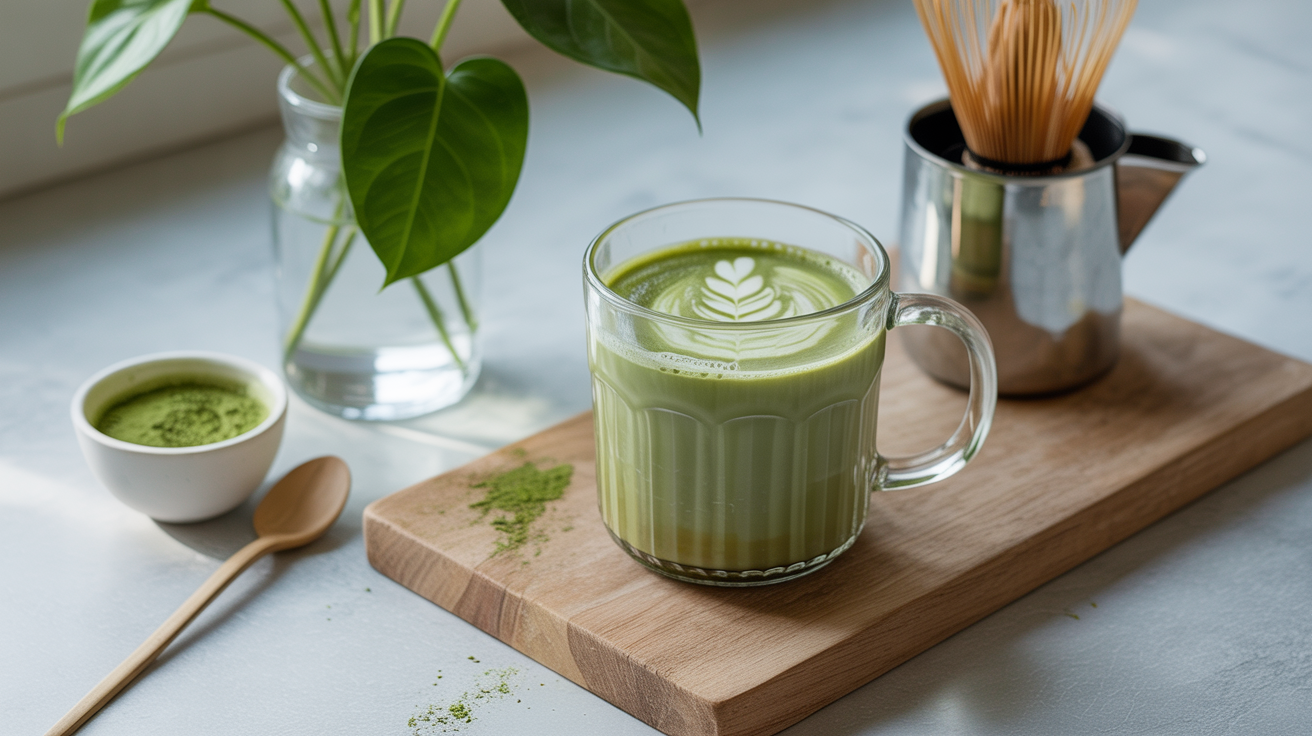
A matcha latte is two parts in one: a small, whisked concentrate of matcha paste, combined with warm or cold milk. Get those two parts right and the drink comes together in under five minutes.
What You Need Before You Start
You do not need a full tea ceremony setup to make a good matcha latte. A few basic tools and decent matcha powder are enough.
Matcha grade matters
For lattes, culinary-grade matcha works fine. It is slightly more bitter than ceremonial grade, but that bitterness actually stands up well against milk. Ceremonial grade is smoother and more nuanced, and it shines if you drink matcha straight. For a milk-based drink, spending more on ceremonial grade is optional.
If you are unsure which to reach for, ceremonial vs culinary matcha: which one to buy walks through the differences in detail.
Equipment list
- A small bowl or cup for whisking (a chawan is ideal, but a regular bowl works)
- A bamboo whisk (chasen) or a small milk frother
- A fine-mesh sieve
- A kettle with temperature control, or a thermometer
- A mug or glass
A fine-mesh sieve is the single most useful tool here. Sifting the matcha before adding water takes ten seconds and prevents clumps almost entirely.
The Matcha Latte Ratio
The matcha latte ratio is the thing most recipes gloss over, and it is worth spending a moment on before you measure anything.
A standard single-serve matcha latte uses:
| Component | Amount |
|---|---|
| Matcha powder | 1 to 2 teaspoons (2 to 4 grams) |
| Hot water for paste | 2 to 3 tablespoons (30 to 45 ml) |
| Milk (any type) | 6 to 8 ounces (180 to 240 ml) |
| Sweetener | Optional, to taste |
The water amount is small on purpose. You want a concentrated paste or "thin suspension" first, not a diluted tea. That concentrate then mixes cleanly into the milk without streaks or clumps sinking to the bottom.
If you prefer a stronger drink, use 2 teaspoons of matcha. For a gentler, more milk-forward latte, 1 teaspoon is plenty. Start at 1.5 teaspoons and adjust from there based on what you like.
Water temperature is just as important as the ratio. Matcha is sensitive to heat. Boiling water (212°F / 100°C) scorches the chlorophyll, which makes the drink taste bitter and turns the color dull. Aim for 160 to 175°F (70 to 80°C). If you do not have a temperature-controlled kettle, let boiling water sit off the heat for two to three minutes before using it.
How to Make a Hot Matcha Latte
This is the core method. Once you have it down, the iced version is just a variation.
Step 1: Sift the matcha
Put your sieve over the bowl and add the measured matcha. Tap or push it through with a spoon. This breaks up any clumps before they have a chance to get wet and become impossible to dissolve.
If you want to go deeper on this step, how to whisk matcha without lumps covers sifting and whisking technique in full.
Step 2: Make the paste
Add 2 tablespoons of water at your target temperature (160 to 175°F). Before whisking, use the back of the spoon to press the matcha into the small amount of water and form a thick paste. This step takes about ten seconds and helps the powder hydrate evenly before the whisk hits it.
Step 3: Whisk
Using a bamboo whisk, move in a fast W or zigzag pattern (not circles) across the bottom of the bowl. Keep the whisk tips just below the surface and avoid grinding them into the bowl. Whisk for 20 to 30 seconds until the surface is uniformly covered in small, stable bubbles and no dry clumps remain. If you are using a milk frother instead, 10 to 15 seconds of buzzing at the surface does the same job.
Step 4: Warm and froth the milk
Heat your milk to about 150 to 160°F (65 to 70°C). Do not boil it. For frothing, a handheld frother is the simplest option. Alternatively, shake warm milk vigorously in a jar with the lid on, or use a small saucepan and whisk briskly. Plant-based milks like oat and barista-blend almond froth well; thin skim milk tends to foam but not hold.
Step 5: Combine
Pour the matcha concentrate into your mug first, then pour the milk over it slowly. Pouring the milk over the matcha (rather than the other way around) keeps the green color vivid at the top and creates a nice layered look before you stir. Add sweetener now if you want it. Simple syrup or honey both dissolve easily into warm liquid.
How to Make an Iced Matcha Latte
The iced matcha latte uses the same ratio, but the order changes slightly to prevent the ice from diluting your paste before it mixes in.
- Sift 1.5 teaspoons of matcha into your bowl.
- Add 2 tablespoons of hot water (same temperature: 160 to 175°F) and whisk into a smooth paste.
- Add 1 additional tablespoon of room-temperature water and whisk again briefly. This cools the paste without shocking it with ice.
- Fill a glass with ice.
- Pour 6 to 8 ounces of cold milk over the ice.
- Pour the matcha paste over the milk. The concentrate will sink slightly and then bloom through the milk as it mixes.
- Stir from the bottom up with a long spoon before drinking.
For sweetening a cold drink, simple syrup (equal parts sugar and water, dissolved over heat) works better than granulated sugar, which does not dissolve in cold liquid.
If you want a slightly creamier iced version, use half cold milk and half cold oat milk, or add a splash of sweetened condensed milk at the bottom of the glass before the ice.
Troubleshooting Common Problems
The latte tastes bitter. The most common cause is water that is too hot. Let boiling water cool for two to three minutes, or use a thermometer. Bitterness can also come from using too much matcha for the amount of milk, or from low-quality powder that has oxidized.
There are lumps in the drink. You probably skipped sifting, or the water was added all at once instead of in a small amount for the paste. Sifting and making a paste first solves this almost every time.
The color is dull or yellow-green. Overheated water degrades chlorophyll and shifts the color. Good matcha whisked at the right temperature should be bright, almost neon green.
The milk flavor overpowers the matcha. Increase to 2 teaspoons of matcha, or reduce the milk to 5 to 6 ounces. Stronger-flavored milks like full-fat dairy or barista oat can mask the matcha; try a lighter oat milk or diluted almond milk if you want more matcha flavor to come through.
The froth collapses immediately. This usually means the milk was overheated or not heated enough. The sweet spot for stable foam is 150 to 160°F. Above that, proteins break down and the foam goes flat.
For a broader overview of matcha technique from measuring through drinking, how to make matcha: a step-by-step guide is a good companion read.
Frequently Asked Questions
What is the best milk for a matcha latte? Whole dairy milk gives you the creamiest texture and the richest foam. Among plant milks, barista oat milk comes closest to dairy in texture and frothing behavior. Regular oat milk or almond milk also work but produce lighter foam. Coconut milk has a strong flavor that competes with the matcha. There is no single best choice; it depends on what flavor balance you prefer.
Do I need a bamboo whisk, or can I use a regular whisk? A small balloon whisk or a milk frother both work. A bamboo chasen has tines that are thin and numerous enough to aerate the paste very efficiently, which is why it is the traditional tool, but it is not required. If you use a regular kitchen whisk, the result is usually fine; the main difference is that the chasen creates more surface foam. A milk frother (the handheld battery-operated kind) is probably the most convenient substitute.
Can I sweeten a matcha latte, and with what? Yes. Simple syrup, honey, maple syrup, and agave all work well. For hot lattes, granulated sugar is also fine since it dissolves easily. For iced lattes, liquid sweeteners are more practical. Vanilla simple syrup is a popular variation. Start with half a teaspoon or half a tablespoon of syrup and adjust from there; matcha has its own natural sweetness and the milk adds body, so you usually need less sweetener than you might expect.
How much caffeine is in a matcha latte? This is general information, not medical advice. A teaspoon of matcha contains roughly 35 to 70 mg of caffeine, though this varies by grade, origin, and harvest time. A standard latte made with 1.5 teaspoons would fall somewhere in the 50 to 105 mg range per cup. For comparison, a typical 8-ounce brewed coffee is often cited at 80 to 100 mg, though actual levels vary widely. If you are sensitive to caffeine or managing a health condition, check with a clinician before adding matcha to your routine.
Why does my matcha paste turn lumpy when I add milk? The most common reason is that the paste was too thick or not fully incorporated before the milk went in. Make sure you whisk the paste until it is completely smooth and shows no dry powder before pouring any milk. Also, pouring cold milk directly onto a thick paste can cause the matcha to seize slightly. Whisking in an extra small splash of hot water to thin the paste before adding milk usually solves it.