Teaware & Ritual
How to Clean and Care for Your Teaware
A practical guide to cleaning teapots, infusers, and kettles. Remove tea stains, avoid common mistakes, and keep every material in good shape.
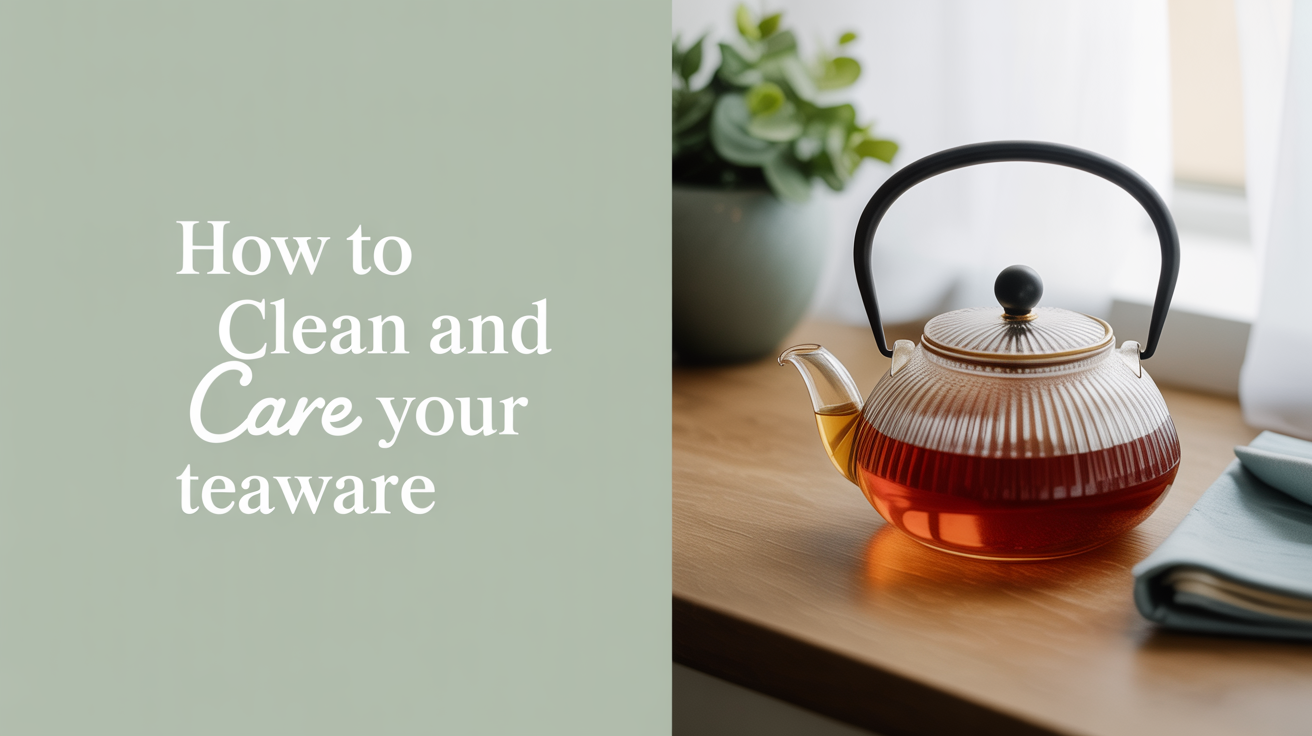
Rinsing with hot water right after brewing handles most of the work. For stubborn tannin buildup and tea stains, a little baking soda and a soft brush will restore most teaware without risking damage.
Everyday Rinsing and Why It Matters
The simplest habit is also the most effective one: rinse your teapot, cup, and infuser with hot water immediately after each use. Tea tannins are easy to wipe away when still warm. Once they dry and oxidize, they bond to the surface and turn into the dark staining that takes more effort to remove later.
For glazed ceramic, glass, and stainless steel, a quick rinse followed by air drying is enough for daily maintenance. Skip the dish soap for the interior of teapots. Soap leaves a residue that lingers in spouts and corners, and you will taste it in your next cup. The outside of a teapot is fine to wash normally, but the inside needs only water.
If you brew daily, a thorough cleaning once a week is plenty. Less frequent brewers should clean before storing and before reusing after a gap.
Removing Tea Stains and Tannin Buildup
Even with good rinsing habits, tannin stains accumulate over time. The brown or gray film inside teapots and cups is harmless, but it can make the surface feel rough and will eventually affect the flavor of lighter teas.
Baking soda method:
- Sprinkle a small amount of baking soda (roughly half a teaspoon) into the stained vessel.
- Add enough warm water to make a paste or thin slurry.
- Use a soft cloth, sponge, or bottle brush to work the paste around the interior.
- Rinse thoroughly with clean water and repeat if needed.
Baking soda is mildly abrasive and alkaline, which breaks down tannin deposits without scratching most surfaces. It is effective on glazed ceramic, glass, and stainless steel.
White vinegar soak: For heavier buildup, fill the teapot or cup with a mix of equal parts white vinegar and warm water. Let it sit for fifteen to thirty minutes, then scrub gently and rinse well. Vinegar is acidic, so use it occasionally rather than routinely, and always rinse completely afterward so the flavor does not carry over.
What to avoid: Do not use steel wool, scouring powders, or bleach inside teaware. These scratch glazes and can leave behind chemical residue. Scratched surfaces trap more tannins going forward, creating a harder-to-clean surface over time.
Material-Specific Care
Not all teaware cleans the same way. The material determines what is safe to use and what will cause permanent damage.
| Material | Safe Cleaning Methods | What to Avoid |
|---|---|---|
| Glazed ceramic | Baking soda, soft brush, warm water | Harsh abrasives, steel wool |
| Glass | Baking soda, vinegar, bottle brush | Sudden temperature shock, abrasive scrubbers |
| Cast iron (tetsubin) | Rinse only, dry thoroughly | Soap inside, soaking in water |
| Unglazed clay (Yixing, etc.) | Rinse with plain hot water only | Any soap, baking soda, vinegar, detergent |
| Stainless steel | Baking soda, dish soap fine outside | Bleach, steel wool |
| Porcelain | Baking soda, soft cloth | Abrasive pads, dishwasher if hand-painted |
Unglazed Clay: The Exception to Every Rule
Yixing clay pots and other unglazed clay teaware are porous by design. Over time, the clay absorbs oils and flavor compounds from the tea, which is why many collectors dedicate a Yixing pot to a single type of tea. Introducing soap, vinegar, baking soda, or any cleaning agent into the pores undermines this seasoning and can make the pot smell soapy for weeks.
For unglazed clay, the correct approach is to rinse with hot water after each use, empty it completely, and allow it to air dry with the lid off. If you notice an off smell or stale buildup, a soak in plain hot water for a few hours will loosen most deposits. That is all the cleaning these pots need.
Cast Iron: Dry Is Everything
A cast iron tetsubin holds heat well and looks striking, but rust is a constant risk if the interior stays wet. After rinsing, shake out all the water you can and set the kettle on low heat for a minute or two to dry the interior completely. Do not use soap inside a tetsubin, and do not leave water sitting in it between uses. If you spot light rust forming, a gentle scrub with a soft brush and plain water is usually enough to clear it before it spreads.
The exterior of cast iron is often enameled and can be wiped down with a damp cloth, but the interior is raw iron and needs dry storage.
Glass: Handle the Temperature
Glass teapots and cups are easy to clean but vulnerable to thermal shock. Avoid pouring very cold water into a hot glass pot, or setting a hot glass vessel on a cold surface. For cleaning, a long bottle brush makes it easy to reach inside without putting pressure on the sides.
Cleaning Infusers and Strainers
Mesh infusers are the hardest item to keep clean because tea particles wedge into every tiny opening. Rinsing right after brewing removes most residue, but some buildup is inevitable.
For a thorough clean, soak the infuser in warm water with a pinch of baking soda for ten to fifteen minutes, then scrub with a small brush. A toothbrush reserved for this purpose works well for mesh baskets and coil-style infusers. If you have a fine-mesh ball infuser, hold it under running water and flex the mesh slightly to open the weave while scrubbing.
Stainless steel infusers can handle occasional vinegar soaks. Silicone infusers need only soap and warm water.
Strainers made of bamboo should be rinsed immediately and dried completely to prevent mildew. Wood and bamboo should never soak in water for more than a minute.
For more on which infusers are worth the effort versus which designs trap too much residue to clean easily, see tea infusers and strainers: what actually works.
Descaling Your Kettle
Kettle scale (also called limescale) is the white or gray mineral deposit that forms when hard water is heated repeatedly. It is not harmful, but a heavily scaled kettle takes longer to boil, and some people notice a slightly flat taste in water boiled through a thick layer of scale.
Descaling method:
- Fill the kettle halfway with equal parts white vinegar and cold water.
- Bring it to a boil, then turn off the heat and let it sit for twenty to thirty minutes.
- Pour out the solution, rinse thoroughly with clean water, and boil a full kettle of fresh water before using it for tea again. Repeat the fresh water boil once more if any vinegar smell persists.
Citric acid is an alternative to vinegar and leaves less residue. Dissolve one tablespoon of food-grade citric acid powder in a full kettle of water, heat to a low simmer, let it sit, then rinse.
Descaling every one to three months is reasonable for hard water areas. Soft water households may only need it once or twice a year.
For guidance on choosing the right kettle in the first place, including variable temperature and gooseneck options, see the best kettle for tea.
Frequently Asked Questions
Can I put my teapot in the dishwasher? Most ceramic and glass teapots survive the dishwasher, but the high heat and harsh detergents degrade glazes over time, can cause cracking in older pieces, and will destroy any hand-painted decoration. Hand washing is safer for anything you want to keep in good shape. Unglazed clay and cast iron should never go in a dishwasher.
How do I remove old, dark tea stains from a ceramic mug? Make a paste from baking soda and a small amount of water, apply it to the stain, and let it sit for a few minutes before scrubbing with a soft sponge. For very old stains, a short vinegar soak before the baking soda step often helps. Avoid bleach, which can weaken glaze over repeated use.
My Yixing teapot smells stale. What should I do? Rinse it with hot water, then fill it completely with hot water and let it sit for a few hours. Pour that out and let it air dry with the lid off for a full day. Repeat once more if the smell persists. Do not use any soap or cleaning agents inside the pot.
Can I use dish soap on my teapot? On the outside, yes. Inside a glazed teapot, it is best avoided because soap residue hides in spouts and hinges and transfers a faint soapy taste to the next brew. Hot water alone cleans the interior well for everyday use, with occasional baking soda scrubs for buildup.
How do I know if my teaware needs descaling versus a standard clean? Tea staining is brown or dark gray and often appears as a film or ring on the interior surface. Limescale is white, chalky, and flakes off in small pieces. Tea staining responds to baking soda. Limescale needs an acid such as vinegar or citric acid. Kettles get limescale. Teapots and cups mostly get tannin staining.
If you are deciding between a gaiwan and a teapot as your main brewing vessel, cleaning ease is one factor worth considering. See gaiwan vs. teapot: which should you brew with for a full comparison.