Tea Basics
How Long to Steep Tea: Steeping Times by Type
Steep times by tea type, from 1-minute green tea to 5-minute black. Avoid bitterness and get the most from every cup.
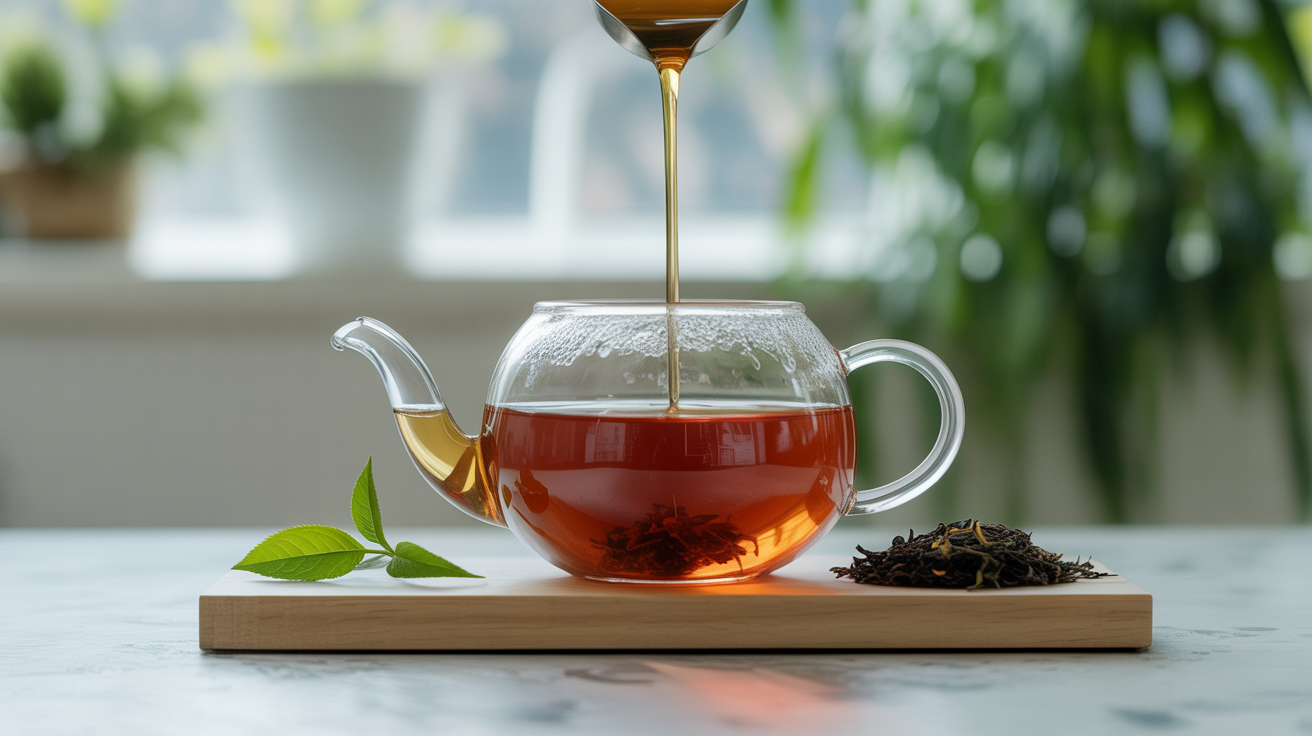
Steep time is the single variable most people get wrong. Two minutes too long and a delicate green tea turns astringent; pull a black tea too early and it tastes like colored water. The ranges are tight for some types and forgiving for others, and knowing which is which saves a lot of wasted tea.
The short answer: green tea steeps for 1.5 to 3 minutes, white tea for 2 to 4, oolong for 2 to 4 depending on oxidation level, black tea for 3 to 5, and herbal infusions for 5 to 7. Water temperature matters as much as time, and the two work together. If you want the full picture on temperature, see our guide to water temperature for tea.
Why Steep Time Matters: Tannins, Body, and Bitterness
Tea leaves contain caffeine, antioxidants, amino acids, and tannins. Hot water pulls them out at different rates. Caffeine and amino acids (including L-theanine, which softens the stimulant effect) dissolve quickly. Tannins take longer and are what make oversteeped tea taste dry and sharp.
The goal is to pull enough flavor compounds and caffeine without tipping into the tannin-heavy zone. That window is wider for some teas than others. A hearty Assam black tea can handle an extra 30 seconds without much harm. A first-flush Darjeeling or a Gyokuro green will turn unpleasant fast.
Temperature makes this worse or better. Higher heat speeds up extraction, which is why steeping green tea in boiling water at 100°C is almost always a mistake. You get the bitterness almost instantly. Lower water temperature slows extraction, giving you more control. If you only have boiling water and you're brewing green tea, cut the steep time in half and see how it goes.
Tea Steeping Time Chart: Western-Style Brewing
This chart covers standard single infusions in a western-style teapot or mug, with typical leaf amounts of 2 to 3 grams per 240 ml of water. For more on leaf quantities, see leaf-to-water ratios that work.
| Tea Type | Steep Time | Water Temp | Notes |
|---|---|---|---|
| White (Silver Needle, Bai Mu Dan) | 2-4 min | 75-80°C | Delicate; longer if you prefer more body |
| Green (Sencha, Dragonwell, Bancha) | 1.5-3 min | 70-80°C | Start at 2 min; add seconds to taste |
| Green (Gyokuro) | 1-2 min | 55-65°C | Lower temp, shorter time; premium leaf |
| Yellow | 2-3 min | 75-80°C | Similar to green; rarely needs more than 3 |
| Oolong (lightly oxidized, e.g. Jin Xuan) | 2-3 min | 80-85°C | Floral and creamy; sensitive to oversteeping |
| Oolong (heavily oxidized, e.g. Da Hong Pao) | 3-4 min | 90-95°C | More robust; handles longer steeps better |
| Black (Assam, Ceylon) | 3-5 min | 95-100°C | 4 min is a good default |
| Black (Darjeeling first flush) | 2.5-3.5 min | 90-95°C | Muscatel notes fade fast when oversteeped |
| Pu-erh (sheng/raw) | 2-3 min | 90-95°C | Adjust by age; older sheng needs more heat |
| Pu-erh (shou/ripe) | 2-4 min | 95-100°C | Earthy; rinse once before steeping |
| Herbal / Tisane (chamomile, peppermint) | 5-7 min | 95-100°C | Most herbals need full 5 min to open up |
| Rooibos | 5-7 min | 95-100°C | No tannins; harder to oversteep |
These times assume loose-leaf tea. Bagged tea usually packs finer-cut leaves, so the same times apply at the low end; bags can bitter up quickly because the broken leaf has more surface area.
Gongfu-Style Short Steeps
If you've seen someone do a series of 10 to 30 second infusions from a tiny clay pot, that's gongfu brewing. It uses a much higher leaf-to-water ratio, maybe 6 to 8 grams per 100 ml, and compensates with brief steeps and many infusions from the same leaves.
The basic gongfu progression for an oolong or black tea looks like this:
- Rinse (optional): 5 to 10 seconds, discard
- First steep: 15 to 25 seconds
- Second steep: 20 to 30 seconds
- Third steep: 30 to 40 seconds
- Each subsequent steep: add 10 to 15 seconds
A good oolong or pu-erh can yield 6 to 10 steeps this way, with the flavor shifting through the session. The first infusion is often the lightest; the third or fourth is typically the fullest.
Brewing loose-leaf tea covers both western and gongfu methods in more detail if you want to compare equipment and ratios side by side.
Signs of Over- and Under-Steeping
Oversteeped Tea
Oversteeped tea is astringent and drying, not just bitter. The back of the throat feels tight. The color is usually darker than expected and the aroma turns sharp or grassy in a bad way.
Common causes:
- Left the bag or infuser in too long
- Water was too hot for the tea type
- Too many leaves for the volume
If this happens, you can try diluting with a bit of hot water, or adding milk (for black tea), which binds to tannins and softens the bite. For future cups, pull the leaves a minute earlier and see if that's enough.
Understepped Tea
Understepped tea tastes watery and flat. You get color but not much else. The flavor compounds haven't had time to dissolve.
This is easier to fix: just steep longer. If the tea has already cooled down, reheat your water and try again with fresh leaves. Re-steeping already-brewed leaves sometimes works for robust black teas, less so for delicate greens.
The Taste-as-You-Go Method
Timers are a useful starting point, but your palate is a better guide once you know what to look for.
Start checking about 30 seconds before the recommended minimum. Dip a clean spoon in and taste it. At that point it should taste light and a bit thin, with a hint of what's to come. Steep another 30 seconds and taste again. When the flavor feels balanced, not sharp or watery, pull the leaves.
Over a few sessions with the same tea, you'll land on your own number. That number is probably slightly different from the chart because every factor, leaf size, water minerals, infuser type, varies between setups.
A few tips for building this habit:
- Keep a cheap kitchen timer within reach; it's easy to forget a steeping tea
- Write down your winning time for a new tea after the first session
- Compare the same tea with and without a timer at least once; it clarifies how much difference a minute makes
Frequently Asked Questions
How long to steep green tea?
Most green teas do best at 1.5 to 3 minutes in water around 75 to 80°C. Gyokuro and other shaded Japanese greens need even less time, 1 to 2 minutes at 60 to 65°C. When in doubt, start at 2 minutes and add 30 seconds at a time until the flavor is where you want it.
What happens if you steep tea too long?
Oversteeped tea tastes bitter and astringent. The tannins, which take longer to dissolve than other compounds, dominate once you cross the right window. The fix is to shorten the next steep. If you oversteeped this cup, a splash of cold water or a bit of milk can help soften it.
Can you steep tea twice?
Yes, with good loose-leaf tea. High-quality oolongs, pu-erhs, and some black teas hold up well through multiple infusions, especially in gongfu brewing. Cheaper bagged tea usually doesn't have much left after one steep.
Does steeping longer make tea stronger?
Stronger in some ways: more tannins, more bitterness. Not necessarily more caffeine, since caffeine extracts fairly early in the steep. If you want a stronger cup without bitterness, use more leaf rather than more time.
Why does my tea taste bitter even at the right steep time?
Water temperature is usually the culprit. Boiling water on green or white tea pulls tannins fast, even in a short steep. Try dropping the temperature by 5 to 10°C and see if it improves. Hard water can also affect taste; filtered water often makes a noticeable difference.