Herbal & Wellness
Peppermint Tea: Uses, Benefits, and How to Brew It
What peppermint tea actually does for digestion, headaches, and more — plus how to brew it well from leaves or bags.
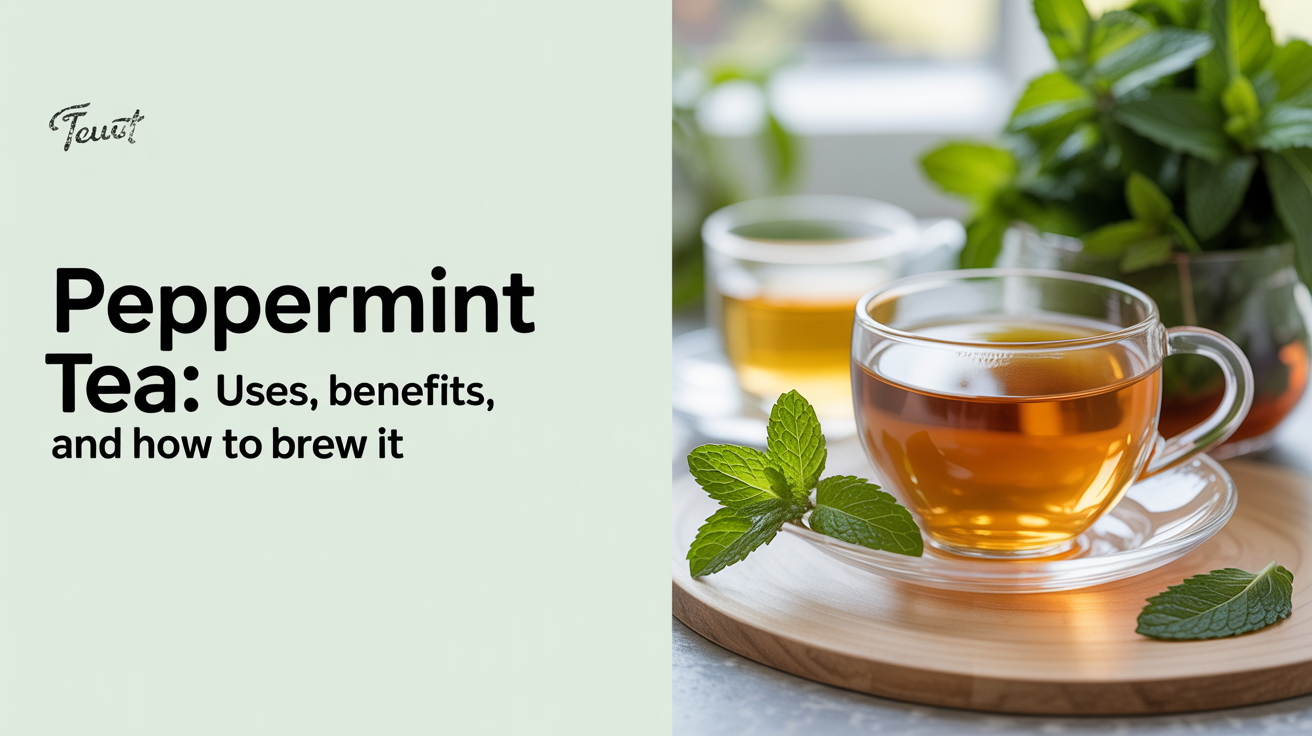
Peppermint tea sits in a different category from most herbal teas. The menthol that gives it that sharp, cooling taste also has real physiological effects, and there's a reasonable body of research to explain why people reach for it when their stomach is unhappy or a tension headache is building. It's also completely caffeine-free, which makes timing flexible in a way green or black tea isn't.
This is general information, not medical advice. If you have a chronic condition or take medications, check with your doctor before adding peppermint tea regularly to your routine.
What Peppermint Tea Actually Is
Peppermint (Mentha x piperita) is a hybrid of watermint and spearmint. The leaves are brewed into a tisane, meaning there's no Camellia sinensis plant involved and no caffeine. What you get instead is a high menthol content, somewhere around 40% in the essential oil of the dried leaf, alongside flavonoids and a handful of other volatile compounds.
That matters because menthol binds to cold-sensitive receptors (TRPM8) in the body. That's the mechanism behind the cooling sensation you feel even when the tea is hot. It also appears to relax certain types of smooth muscle, which is the basis for most of peppermint's digestive effects.
Fresh Leaves vs. Dried vs. Bags
- Fresh leaves give a brighter, greener flavor with a little more bite. They're easy to grow on a windowsill and the aroma is noticeably more vivid than dried.
- Dried loose-leaf tends to be more concentrated and consistent batch to batch. It's what most quality specialty tea shops carry.
- Tea bags vary widely. Grocery-store bags often use lower-grade material with a dustier flavor. If bags are convenient, look for whole-leaf sachets from a dedicated tea brand.
What the Evidence Shows
The research on peppermint is better than what you'd find for most herbal teas, though it's worth being specific about what's actually been studied.
Digestion and IBS
Peppermint tea for digestion has a genuine evidence base, though most of the strong studies use enteric-coated peppermint oil capsules rather than brewed tea. The mechanism is the same, smooth muscle relaxation in the gastrointestinal tract, but the capsules deliver more menthol to the intestines without it being absorbed in the stomach first.
That said, the tea still helps many people with post-meal bloating, gas, and general digestive discomfort. A 2014 review in the Journal of Clinical Gastroenterology found peppermint oil significantly outperformed placebo for IBS symptom relief. Brewed tea is a lower-dose version of that intervention.
Tension Headaches
A small but well-designed 1996 study (Göbel et al.) applied diluted peppermint oil to the forehead and found it reduced tension headache pain comparably to acetaminophen. Brewed tea is a gentler delivery, but drinking a strong cup while inhaling the steam does seem to take the edge off a mild headache for some people. The evidence here is thinner than for digestion, but the mechanism (menthol's effect on pain-sensitive receptors) is plausible.
Nausea and Congestion
Anecdotally strong, research weaker. Peppermint tea is commonly used for mild nausea, and the steam can feel genuinely helpful during a cold or sinus congestion. Neither is well-supported by clinical trials, but neither is likely to cause harm in healthy adults.
| Condition | Evidence Level | Notes |
|---|---|---|
| IBS / bloating | Moderate (mostly oil capsule studies) | Tea is a lower-dose version of the same compound |
| Tension headaches | Weak to moderate | Topical oil studied more than oral; steam inhalation plausible |
| Nausea | Anecdotal | Limited clinical data |
| Nasal congestion | Anecdotal | Steam delivery helpful, unclear if drinking matters |
How to Brew Peppermint Tea
Getting the brew right matters more than people think. Over-steep peppermint and it turns harsh and almost medicinal. Under-steep and you miss most of the flavor and effect.
Basic Method (Dried or Fresh Leaves)
- Bring water to around 90-95°C (194-203°F). A full boil is fine too, peppermint is forgiving, but letting it drop slightly off the boil keeps the top notes brighter.
- Use 1 tablespoon of fresh leaves or 1 heaping teaspoon of dried per 240 ml (8 oz) of water.
- Steep for 5-7 minutes, covered. The lid matters: it traps volatile menthol that would otherwise evaporate into the air rather than into your cup.
- Strain and drink while hot or allow to cool for iced tea.
Tea Bag Method
Use one bag per cup. Steep 5 minutes covered. Most bags are sized for 5 minutes; longer just adds bitterness without more benefit.
Making a Stronger Brew
If you're drinking it for digestion or a headache, a stronger steep (up to 10 minutes, two teaspoons dried) is reasonable. The flavor gets more intense but not unpleasant if the base herb is good quality.
How It Tastes and What to Pair With It
Peppermint tea has a sharp, clean mint flavor with a lingering cool finish. It's naturally sweet-leaning without any added sweetener. Honey is the obvious addition if you want something rounder; a slice of fresh lemon brightens it. A pinch of licorice root steeped alongside softens the edge considerably.
It blends well with ginger tea as a digestive combination: peppermint handles the bloating and cramping while ginger addresses nausea and general gut motility. You can blend the two dried herbs in equal parts and brew them together.
For an evening routine, peppermint pairs well alongside chamomile tea. The two complement each other: chamomile for its mild sedative effect, peppermint for its digestive and breath-clearing qualities. Together they make a reasonable post-dinner cup. See also the guide to best teas for sleep if your goal is winding down at night.
Peppermint Tea Side Effects and Who Should Be Careful
Most healthy adults can drink several cups a day without issue. But there are real cautions worth knowing.
Acid reflux and GERD. This is the most common issue. Menthol relaxes the lower esophageal sphincter, the valve that keeps stomach acid from rising. If you already have reflux or GERD, peppermint tea can make symptoms worse, not better. People with these conditions generally should avoid it.
Infants and young children. Menthol applied near an infant's face or ingested in significant amounts can cause breathing problems. Peppermint tea is not appropriate for infants and not recommended for young children.
Pregnancy. Peppermint tea in small amounts is generally considered safe in pregnancy, but large doses are sometimes listed as an emmenagogue (potentially stimulating menstrual flow). Most sources suggest limiting to one cup a day if you want it at all.
Drug interactions. Peppermint can affect how quickly the liver processes certain medications. If you take cyclosporine, felodipine, or other drugs with narrow therapeutic windows, ask your pharmacist before drinking peppermint tea regularly.
Heartburn from overconsumption. Even in people without GERD, drinking very large amounts (many cups daily) can occasionally trigger heartburn for the same esophageal sphincter reason.
Frequently Asked Questions
Does peppermint tea help with bloating?
For many people, yes. The smooth muscle-relaxing effect of menthol can reduce trapped gas and the cramping that comes with it. Drinking a cup after a heavy meal is a reasonable approach. The evidence is strongest for peppermint oil capsules in IBS patients, but the same mechanism applies to the tea at a lower dose.
Can I drink peppermint tea every day?
Most healthy adults can. One to three cups daily is a common range. The main exceptions are people with acid reflux or GERD (it tends to worsen symptoms), infants, and anyone on medications that interact with menthol or are processed through the same liver enzymes.
Is peppermint tea caffeine-free?
Yes, completely. It's a tisane made from dried or fresh peppermint leaves, no Camellia sinensis involved. You can drink it in the evening without it affecting sleep.
Does peppermint tea help with headaches?
The evidence leans yes for tension headaches, though most studies used topical peppermint oil rather than brewed tea. Drinking a strong cup while inhaling the steam can help with mild headaches. It's not a substitute for medication in a severe case.
How long should I steep peppermint tea?
Five to seven minutes covered is the sweet spot for most purposes. Less than four minutes and you lose flavor and effect. More than ten minutes and bitterness increases without meaningful benefit. Keep a lid on the cup while steeping to retain the volatile menthol compounds.