Herbal & Wellness
Ginger Tea: How to Make It and What It's Good For
Learn how to brew ginger tea from fresh root and what the evidence actually says about its benefits for nausea and digestion.
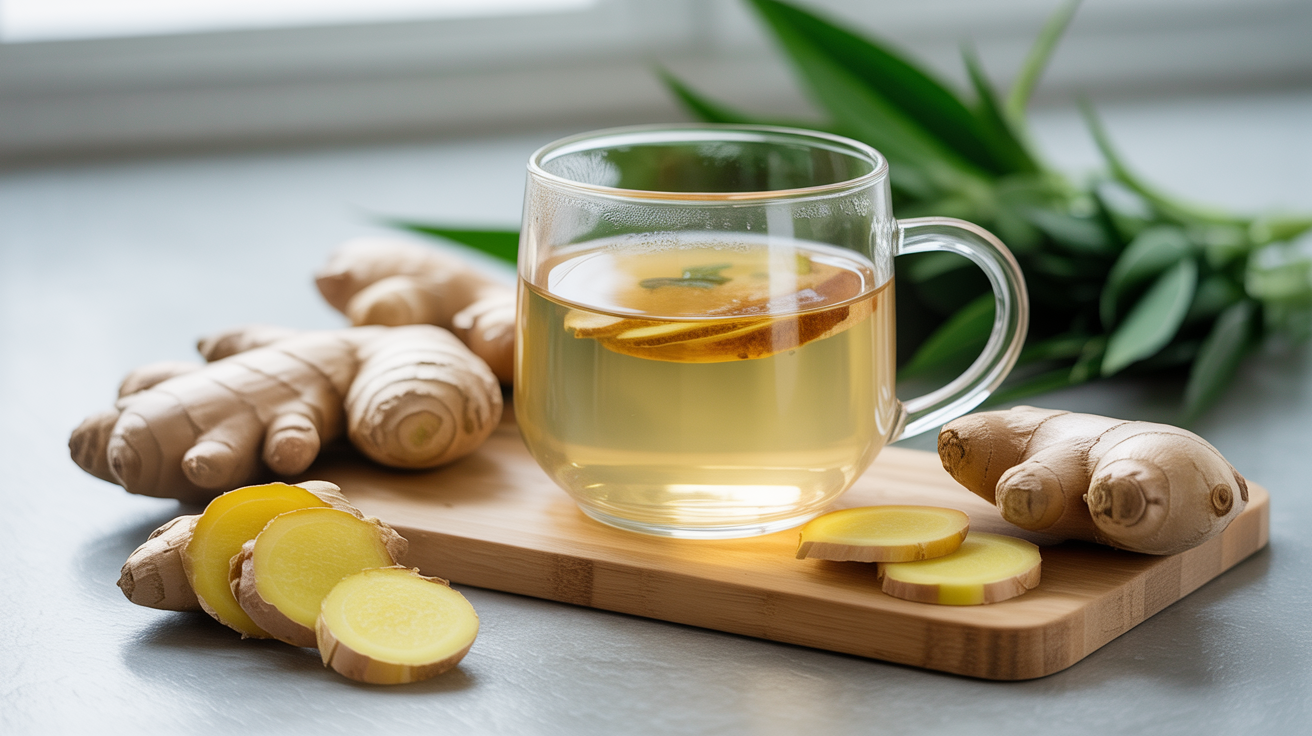
Fresh ginger tea is one of the simplest things you can make at home, and it holds up under scrutiny better than most herbal remedies. A cup brewed from real root is sharper, more aromatic, and more potent than anything from a teabag. It also takes about twenty minutes start to finish.
This article covers how to make ginger tea properly, what the research actually supports, which add-ins are worth trying, and where to be careful. All of it is general information, not medical advice. If you have a health condition or take medications, check with your doctor before drinking large amounts regularly.
How to Make Ginger Tea from Fresh Root
The fresh ginger tea recipe is straightforward. The main variables are how much ginger you use, how long you simmer it, and whether you slice or grate.
Slicing vs. Grating
Slicing gives you a cleaner, milder brew. Cut 20-30 g of unpeeled fresh ginger (roughly a 2-inch knob) into rounds about 4 mm thick. You don't need to peel it; just scrub the skin.
Grating releases more surface area and more volatile oils, which means a spicier, more intense result. Use a microplane and about 15 g if you want a strong cup. The texture is rougher, so strain carefully.
Simmering
Simmering extracts more gingerols and shogaols than simply steeping in hot water. A proper simmer matters.
Basic fresh ginger tea recipe:
- 20-25 g fresh ginger, sliced
- 500 ml cold water
- Bring to a boil, then reduce to a low simmer
- Simmer 10-15 minutes (15 minutes for a stronger brew)
- Strain into a mug
- Add lemon juice or honey after straining, not during cooking
Ten minutes gives you something warming and pleasant. Fifteen minutes produces a cup with real heat that lingers at the back of the throat. If you want it milder, use less ginger rather than shorter time; short steep time with a lot of ginger can taste raw and grassy.
Strength and Quantity
A reasonable daily amount for general wellness is 2-4 g of fresh ginger per cup (roughly half an inch of root). Studies on nausea typically use 1-1.5 g of dried ginger equivalent, which translates to around 5-8 g fresh. More than 4-5 g per cup, multiple times a day, starts to creep toward the dosages where side effects appear.
What the Evidence Shows
Ginger tea benefits are better supported by research than most herbal teas. The relevant compounds are gingerols (dominant in fresh root) and shogaols (formed when ginger is dried or heated), both of which affect serotonin receptors and gut motility.
Nausea and Vomiting
This is ginger's strongest documented use. Ginger tea for nausea has genuine clinical backing:
| Condition | Evidence | Notes |
|---|---|---|
| Morning sickness (1st trimester) | Several RCTs, consistent reduction | 1 g dried equivalent/day; most studies found it safe short-term |
| Chemotherapy-induced nausea | Mixed results; some positive RCTs | Used alongside standard antiemetics, not as a replacement |
| Motion sickness | Weaker evidence; some positive trials | Timing matters; take 30-60 min before travel |
| Post-operative nausea | Mixed; a few positive studies | Not a substitute for prescribed medication |
The motion sickness and post-op evidence is less clean than the morning sickness data, but ginger is generally safe to try as a complement to other approaches.
Digestion
Ginger speeds gastric emptying, meaning food moves from the stomach into the small intestine faster. This is why a cup after a heavy meal often reduces that bloated, full feeling. Whether it reliably helps with chronic digestive complaints like IBS is less clear. Small studies are promising, but there are no large trials yet.
Inflammation and Other Claims
There are in vitro and animal studies showing anti-inflammatory effects from ginger compounds. What that means for a cup of tea, at realistic concentrations, is not established. The same goes for blood sugar and cholesterol effects that sometimes appear in headlines. Interesting, not proven at tea doses.
Add-Ins Worth Trying
Plain simmered ginger is good. A few additions make it better without turning it into something complicated.
Lemon: Squeeze half a lemon into a finished cup. The acidity brightens the flavor and the vitamin C is a genuine bonus. Add it after straining so the heat doesn't destroy the vitamin C.
Honey: A teaspoon of raw honey softens the heat and adds its own mild antimicrobial properties. Manuka honey is popular here but regular raw honey works fine. Don't add honey to boiling liquid; stir it into a poured cup.
Turmeric: A quarter teaspoon of ground turmeric per cup creates a golden tea with added curcumin. The evidence behind curcumin is complicated (poor bioavailability), but the combination tastes good and black pepper improves absorption if you want to add a pinch.
Black pepper: A couple of cracked peppercorns in the simmering water is subtle but adds depth. Also reportedly enhances curcumin absorption if you're using turmeric.
If you're interested in other gentle herbal options for relaxation after a ginger tea routine, chamomile tea is a natural companion. And if you drink ginger in the evening and want something that transitions into sleep, look at the options in the best teas for sleep.
Dried Ginger vs. Fresh
Fresh and dried ginger are chemically different, not just in concentration.
Fresh root is high in gingerols. Drying and heating convert gingerols to shogaols, which are more potent but have a different flavor profile, more pungent and less bright. Most clinical studies on nausea used dried ginger powder, so if you're trying to match those results, a capsule or teaspoon of powder (0.5-1 g) is closer to the studied dose than a cup of fresh-root tea.
For everyday drinking, fresh root tea is the better experience. It's more aromatic, easier to control in flavor, and most home brewers find it more enjoyable. Dried ginger teabags are convenient but significantly weaker than either fresh root or powder.
A decent middle-ground: simmer sliced fresh ginger, then finish with a quarter teaspoon of dried ground ginger stirred in. You get the brightness of fresh with the shogaol contribution of dried.
Side Effects and Cautions
Ginger is generally safe for most adults at culinary amounts. At higher doses or in certain situations, it warrants caution.
Heartburn and reflux: Ginger can aggravate heartburn in some people, especially at higher doses or on an empty stomach. If you have GERD, start with a small cup and see how you respond. If you want something gentler on the stomach, peppermint tea has its own nausea-settling properties, though it can also worsen reflux in some individuals.
Blood thinners: Ginger has mild antiplatelet effects. If you take warfarin, aspirin regularly, or other blood-thinning medications, discuss it with your doctor before drinking ginger tea daily. The risk from one cup is likely low, but consistent daily intake at higher doses is worth flagging.
Gallstones: Ginger stimulates bile production. For most people this is neutral or mildly helpful, but if you have gallstones, increased bile flow can trigger discomfort or complications. Check with your doctor.
Pregnancy: The first-trimester nausea data is the strongest argument for ginger during pregnancy, and many OBs consider 1 g per day reasonable. Later trimesters are less studied. Talk to your midwife or doctor about your specific situation rather than relying on general guidance.
Interactions: Beyond blood thinners, ginger may interact with diabetes medications (additive blood sugar effects) and some cardiac drugs. Again, daily use at meaningful doses is the concern, not an occasional cup.
Frequently Asked Questions
How long should I simmer ginger tea?
Ten to fifteen minutes at a low simmer is the range. Ten minutes gives a moderately spicy, aromatic cup. Fifteen minutes is noticeably stronger. Beyond twenty minutes, the flavor can turn slightly bitter without meaningful additional benefit. If you want a milder tea, reduce the amount of ginger rather than the simmer time.
Can ginger tea help with nausea during pregnancy?
The short answer is yes, for many people, in the first trimester. Multiple randomized controlled trials have shown that around 1 g of dried ginger equivalent per day (roughly 5 g fresh root) reduces pregnancy nausea without evidence of harm in the studies conducted. That said, later trimesters are understudied, and you should confirm with your OB or midwife rather than rely on general guidance.
Is it better to use fresh ginger or dried ginger powder?
It depends on what you're after. Fresh root makes a brighter, more pleasant-tasting cup. Dried powder contains more shogaols and more closely matches the forms used in clinical research. For general enjoyment, use fresh. If you're specifically trying to address nausea at studied doses, dried powder or a standardized supplement is more predictable.
Can I drink ginger tea every day?
Most adults can drink 1-2 cups of fresh-brewed ginger tea daily without issue. Problems tend to appear at higher doses (above 4-5 g fresh root per day consistently) or in people with the specific conditions mentioned above. If you take prescription medications, particularly blood thinners or diabetes drugs, check with your doctor about regular use.
Does ginger tea break a fast?
Plain ginger tea with no sweetener has negligible calories, typically under 5 per cup, and is unlikely to trigger a meaningful insulin response. Most fasting protocols consider it acceptable. Honey and other additions are a different matter and would break a strict fast.