Herbal & Wellness
Hibiscus Tea: Tart, Red, and Caffeine-Free
Learn hibiscus tea benefits, how to brew it hot or cold, and what cautions to keep in mind before drinking it daily.
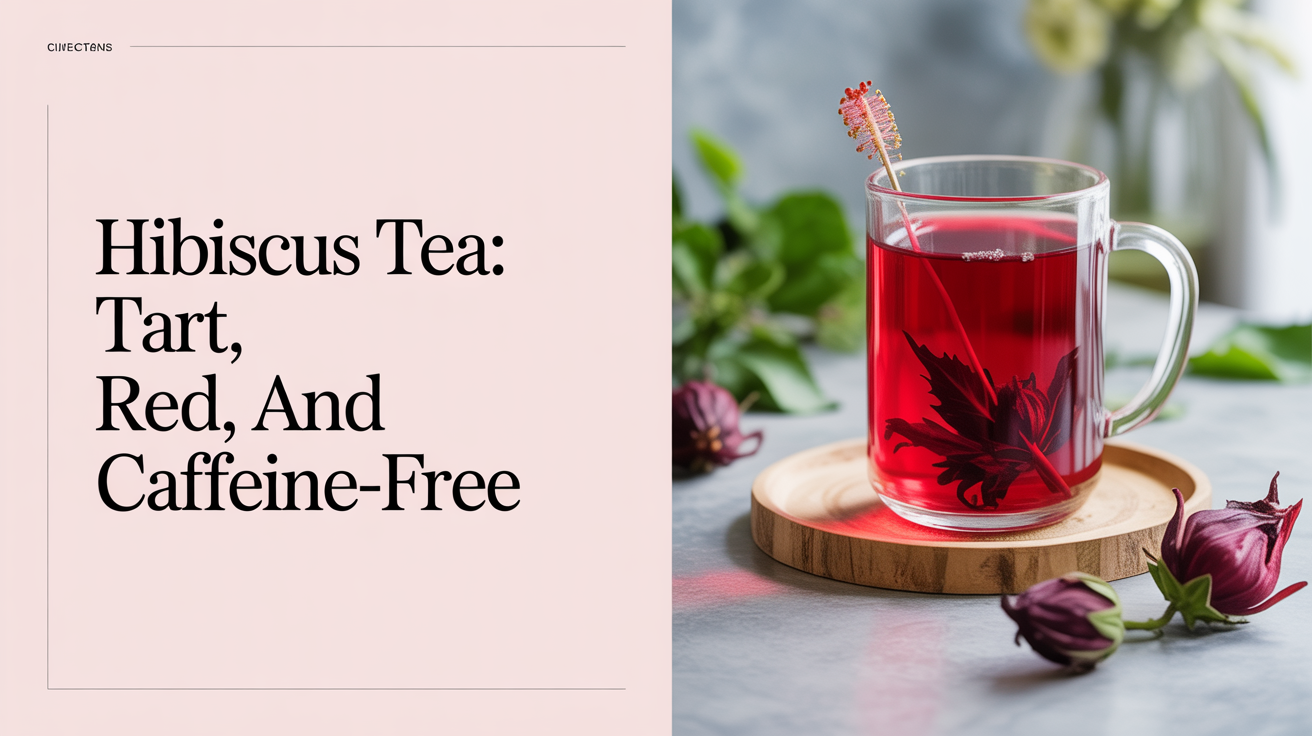
Hibiscus tea is a tart, cranberry-red herbal infusion made from the dried calyces of the hibiscus flower. It contains no caffeine, brews in minutes, and is one of the easier herbal teas to learn.
Quick answers
- Naturally caffeine-free, full boil is fine, and there is no bitterness risk from hot water like there is with green tea.
- Hot brew: 1.5-2 tsp per 8 oz, just off the boil, 5-7 minutes. Cold brew: 2-3 tsp per 8 oz, refrigerated 6-12 hours.
- Research on hibiscus and blood pressure is real but described by reviewers as showing a small effect, not a substitute for medication.
- Skip it during pregnancy and mention regular use to your doctor if you take blood pressure medication or chloroquine.
- The acidity can wear on tooth enamel over time and reduce iron absorption if drunk with meals.
What Hibiscus Tea Actually Tastes Like
The flavor lands somewhere between cranberry and tart cherry with a faint floral note underneath. It is noticeably acidic, which gives it a clean, refreshing finish when served cold and a warming sharpness when served hot. The tartness is the point for many people, though it also makes hibiscus blend well with sweeteners or citrus if the sourness is too forward on its own.
Color is a reliable guide to a good steep: a properly brewed cup turns deep ruby-red, the same anthocyanin pigments responsible for the color in blueberries and red cabbage. If your cup looks pale pink, the brew was either too short, too cool, or used too little dried flower.
How to Make Hibiscus Tea
Hibiscus is forgiving to brew. The main variable is steeping time, which controls how tart the final cup is.
Hot Brew
| Variable | Amount |
|---|---|
| Dried hibiscus calyces | 1.5 to 2 teaspoons per 8 oz (240 ml) |
| Water temperature | 200 to 212 F (93 to 100 C) |
| Steep time | 5 to 7 minutes |
Use water that is just off the boil or at a rolling boil. Unlike green or white teas, hibiscus will not turn bitter from high heat, so full boiling water is fine. Steeping longer than 7 minutes deepens tartness considerably; if you prefer a milder cup, pull it at 4 to 5 minutes and taste from there.
Strain well, since even small bits of dried calyx can continue extracting after you remove the strainer. Sweeten while the tea is still hot if you use sugar, since it dissolves much easier than in a cold cup.
Cold Brew
Cold-brewed hibiscus is smoother and less sharp than hot-brewed, with the same deep red color.
- Use 2 to 3 teaspoons of dried hibiscus per 8 oz (240 ml) of cold or room-temperature water.
- Stir to submerge the calyces.
- Refrigerate for 6 to 12 hours.
- Strain and serve over ice.
Cold brew works well when you want a large batch ready in the refrigerator. It keeps well covered for 3 to 4 days. The flavor is a bit brighter than hot brew and tends to be slightly less astringent, which many people prefer as an all-day drink.
A variation worth trying: brew hot, then pour over ice immediately to chill fast. This keeps the deeper flavor of hot brew while serving it cold.
Hibiscus Tea and Wellness: What People Often Ask About
A few areas come up regularly when people research hibiscus tea benefits. The following is general information, not medical advice. If you are managing a health condition or taking medication, talk to a clinician before adding hibiscus tea to your regular routine.
Blood Pressure
Hibiscus tea is one of the most commonly discussed herbs in the context of blood pressure. The conversation is ongoing in nutritional research, and interest in hibiscus centers on its anthocyanin and organic acid content. The NIH's National Center for Complementary and Integrative Health lists roselle, the hibiscus species typically used for tea, among herbs that may help reduce blood pressure in people with hypertension, but it describes the supporting evidence as limited and the size of the effect as small. It is explicit that no dietary supplement, hibiscus included, has been shown to work as well as prescription blood pressure medication.
What this means practically: if you are already taking medication to manage blood pressure, hibiscus could interact with it, and drinking hibiscus tea regularly is worth mentioning to your doctor. This is not a reason to avoid it for most healthy adults, but it is worth being aware of if blood pressure management is relevant to you.
Antioxidants and General Health Interest
Hibiscus calyces contain anthocyanins, the same pigments that color blueberries, red cabbage, and cherries. Anthocyanin-rich foods are a common topic in general nutrition research. The deep red of hibiscus tea is a direct indicator of this content. Whether that translates to specific health outcomes in people who drink hibiscus tea regularly is something researchers continue to study.
What hibiscus tea can reliably offer is a caffeine-free hot or cold drink with real flavor, no additives needed, and a nutritional profile worth knowing about. For people looking for herbal teas that support sleep or relaxation, chamomile is another well-researched option, and a blend of hibiscus and chamomile works surprisingly well in the evenings.
Vitamin C Content
Hibiscus is sometimes noted as a source of vitamin C. Exact amounts vary by variety and drying conditions, and some vitamin C degrades with heat. Cold brew preserves more of it than hot brew. This is a reasonable small benefit, not a reason to think of hibiscus as a supplement.
Side Effects and Cautions
Hibiscus tea is safe for most adults in reasonable amounts, but a few things are worth knowing before drinking it daily.
Pregnancy caution. Hibiscus is generally avoided during pregnancy. Research on this is limited, but the traditional caution is that it may stimulate uterine contractions. If you are pregnant or trying to conceive, skip hibiscus and check with your provider about which herbal teas are considered safe. For more on choosing nighttime herbal options, this guide to the best teas for sleep covers several lower-risk choices.
Medication interactions. Beyond blood pressure medications, hibiscus may interact with chloroquine (used to treat malaria) and could affect how quickly the liver processes certain drugs. This is a general caution for anyone on a regular medication schedule.
Tooth enamel. Hibiscus tea is acidic. Drinking it frequently throughout the day without rinsing can wear on tooth enamel over time, in the same way that frequent lemon water or fruit juice can. Drinking it with meals, using a straw for cold brew, or rinsing with plain water afterward are easy ways to reduce any risk.
Iron absorption. Herbal teas, including hibiscus, can reduce non-heme iron absorption when consumed with meals. If you have low iron levels, drinking hibiscus between meals rather than with food is a simple adjustment.
Digestive sensitivity. The acidity that makes hibiscus taste tart can irritate a sensitive stomach in some people, particularly on an empty stomach. If you notice discomfort, drinking it with or after food usually helps.
For another well-researched herbal option with a different flavor profile, peppermint tea is a useful comparison: it is also caffeine-free and widely available, with different strengths and its own set of cautions.
Quick Reference: Hibiscus Brewing Summary
| Method | Hibiscus | Water Temp | Time |
|---|---|---|---|
| Hot | 1.5 to 2 tsp per 8 oz | 200 to 212 F | 5 to 7 min |
| Cold brew | 2 to 3 tsp per 8 oz | Cold or room temp | 6 to 12 hours |
| Iced (hot over ice) | 2 tsp per 8 oz | 200 to 212 F | 5 min, strain over ice |
These are starting points. Adjust the amount of dried hibiscus and steep time based on how tart you want the final cup.
Frequently Asked Questions
Is hibiscus tea safe to drink every day? For most healthy adults, yes. The practical cautions are the acidity (which can affect enamel and a sensitive stomach), the interaction possibility for anyone on blood pressure medication, and the pregnancy caution noted above. Starting with one cup a day is a sensible approach, and scaling up once you know how your body responds to it.
Does hibiscus tea lower blood pressure? Hibiscus is discussed in blood pressure research and is one of the reasons some people add it to their routine. But the extent of any effect depends on the individual, and hibiscus tea is not a treatment for hypertension. If blood pressure management is relevant to you, talk to your doctor before using hibiscus tea as a regular supplement.
Can I add sweetener to hibiscus tea? Yes. Honey, cane sugar, and agave all work well. Sweeten while the tea is still warm so the sweetener dissolves fully. For cold brew, a simple syrup (equal parts sugar and water, simmered briefly) blends in easily without leaving gritty undissolved crystals.
Where do I buy dried hibiscus? Loose dried hibiscus calyces are available at many grocery stores in the tea or bulk section, Latin American markets (where hibiscus tea is known as agua de jamaica), health food shops, and online. Look for dried calyces rather than hibiscus powder, which tends to produce a murkier cup and is harder to strain. Quality varies; a deep burgundy-red color in the dried flower is a sign of freshness.
How is hibiscus tea different from regular herbal teas? Hibiscus is one of the more distinctly flavored herbal options because of its pronounced tartness. Most herbal teas are mild or floral; hibiscus has an assertive sour note that sets it apart. This makes it a good base for blends, and its strong color makes it a popular addition to mixed herbal teas even in small proportions.
Sources
- NIH National Center for Complementary and Integrative Health: Hypertension (High Blood Pressure) lists roselle among herbs studied for blood pressure and is explicit about the limited, small-effect evidence referenced above.
- Wikipedia: Hibiscus tea covers the anthocyanin pigments responsible for the tea's color and its phytochemical profile.